How to Avoid Kitchen Pests in North York Homes
What pests are typically found in North York kitchens?
If you are dealing with kitchen pests in North York, the most frequent troublemakers are usually cockroaches, ants, mice, and fruit flies. In many homes, you may also see house flies near garbage or food prep areas. These pests are attracted by food, water, and shelter, which makes kitchens a high-risk area for an infestation if prevention slips.
Cockroaches often shelter in warm, hidden spaces behind appliances, under sinks, and inside cabinets where there is harborage. Ants typically seek out food residue and crumbs left on counters or floors. Mice look for quiet nesting areas and can slip through surprisingly small entry points. Fruit flies are often linked to overripe produce, sticky spills, and garbage bins that are not emptied often enough.
In North York, the type of housing matters. A basement suite near Finch may have more moisture and pipe access points, while older single-family homes may have gaps in the foundation or around utility lines. In condos and apartments near Yonge and Sheppard, pests can spread through shared walls and common waste areas. That is why pest control North York is often less about one issue and more about a mix of prevention, sanitation, and exclusion.
Why do pests in kitchens turn up in North York homes and condos?
These pests emerge when they find food sources: food, water, and shelter. In North York, these conditions are often created by regular household habits, property layout, and weather-related pressure. The biggest drivers are shared walls, food residue, moisture, and building entry points.
Common walls in condos and apartments can make pest pressure worse because pests do not need to enter from outside all the time. They can move between neighboring units, utility chases, and common plumbing runs. If one unit has a sanitation issue or a delayed repair, nearby units can feel the effects quickly. This is especially common in multi-unit buildings with shared garbage rooms, recycling areas, and elevator corridors where pests can travel after eating.
Moisture is another important factor. Kitchens naturally produce humidity from cooking, dishwashing, and running water. If there are leaks under the sink, condensation on cold surfaces, or damp spots around drains, pests gain a better environment to survive. Even small drips can create enough water for cockroaches and ants to stay busy.
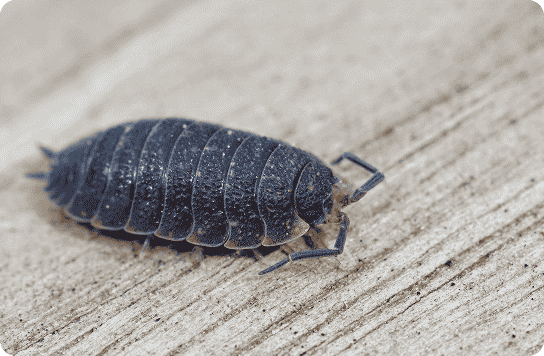
North York’s winter weather also has an impact. Cold temperatures push mice and other pests indoors through tiny gaps around doors, pipes, and utility penetrations. In older homes and basement units, those openings can become reliable winter routes. That is why prevention in North York is about stopping access before pests settle in.
How do I sustain my kitchen clean to stop pests?
Good kitchen cleaning is one of the best forms of prevention. Strong sanitation habits reduce attractants and remove the food sources that let pests survive. Focus on four daily priorities: crumb control, sink maintenance, garbage disposal, and countertop hygiene.
For crumb control, sweep or vacuum floors often, particularly under the table, around the stove, and near pet feeding areas. Clean dining chairs and baseboards where crumbs gather. If you have children or frequent takeout, check under appliances more often because residual food can pile up in hidden places.
Sink maintenance matters because sinks are one of the first places pests visit for water. Do not keep dirty dishes in the basin overnight if you can avoid it. Wash food scraps from plates before loading them into the dishwasher. Clean the drain area and stopper so residue does not build up there.
Your garbage disposal habits also influence pest pressure. Empty indoor garbage before it overflows, and clean the bin itself so spills do not linger. In North York condos and apartments, shared or nearby waste areas can add more pressure, so keeping your own kitchen waste clean is important even if the building also has garbage rooms. Use sealed liners, and never let organic waste stay too long.

For countertop hygiene, wipe spills immediately, especially sugary drinks, oils, sauces, and fruit juice. These residues draw ants, flies, and cockroaches very quickly. Clean behind toasters, coffee makers, and microwaves, where sticky bits often remain unseen. A clean surface does more than look good; it reduces risk and supports overall risk reduction.
A steady routine of wiping, sweeping, and emptying waste is one of the most effective defenses against kitchen pests.
What food storage routines support stop pests?
Smart food storage is a big part of pest prevention in busy North York households. The purpose is https://mississauga-onor813.hexaforgey.com/posts/how-to-choose-a-pest-control-company-in-your-area-in-north-york to take away easy access to food so pests cannot eat, nest, or spread. Start with airtight containers, then strengthen pantry organization, manage produce management, and review pet food storage.
Airtight containers are important for cereal, flour, rice, sugar, pasta, snacks, and baking supplies. Cardboard boxes and thin plastic bags are easy for ants and mice to exploit. Sealed storage also helps keep pests from detecting residual food odors. If you can smell it, pests usually can too.
Pantry organization makes cleaning easier and helps you spot problems early. Keep older items at the front and inspect packages for tears or chewing. Avoid overcrowding shelves, because clutter can create hiding spots and make monitoring harder. A tidy pantry supports both sanitation and ongoing monitoring.
For produce management, check fruits and vegetables regularly and discard overripe items. Fruit flies are especially attracted to bananas, tomatoes, berries, and anything that starts to soften or ferment. Store produce in the fridge when possible, and rinse counters if juice drips onto the surface. This also reduces the chance of a drain fly issue near sinks if rotting scraps are washed down carelessly.
Pet food storage deserves special attention. Keep kibble in sealed bins and do not leave bowls full overnight unless needed for a specific feeding plan. Pet food can attract ants, mice, and even cockroaches if it sits open. In North York apartments and condos, where pests can move from unit to unit, a single open pet-food bag can become a building-wide attractant.
What is the best way to seal entry points in a North York kitchen?
Sealing the kitchen is a key part of exclusion, which involves physically preventing pests from getting inside. In North York, winter cold makes this especially important because mice and other pests hunt for warmth and access through tiny entry points. Pay attention to caulking, door sweeps, pipe gaps, and baseboards.
Caulking is used to close small cracks around backsplashes, sink cutouts, window frames, and trim. Choose a quality sealant where gaps are visible, especially near plumbing lines or aging cabinetry. Check for cracks where the countertop meets the wall, because those seams often become easy travel paths for ants and cockroaches.
Door sweeps are helpful for exterior doors, balcony doors, and any entrance from a garage or shared hallway. Even a small gap below a door can become an access route. In older North York homes, worn thresholds and uneven flooring can leave enough space for pests to squeeze through.
Focus on pipe gaps under sinks and behind appliances. Pipes often pass through oversize holes that were never fully sealed. These openings can connect kitchens to wall voids, crawl spaces, or utility areas. Install appropriate materials to close them without blocking maintenance access.
Examine baseboards for signs of movement, cracks, or missing sections. Gaps behind or under baseboards can act as hidden highways for pests. This is especially important in basement suites, older houses, and renovated units where finishing work may have left small weaknesses.
If you live near Yonge and Sheppard, Finch, or the Jane and Finch area, where a mix of high-rise and older housing creates varied maintenance needs, sealing entry points is one of the most practical first steps you can take. It reduces pest movement before a bigger problem forms.
How do moisture and plumbing issues attract pests?
Moisture is one of the strongest draws for kitchen pests. Even if meals is limited, moisture can keep pests going and active. In North York kitchens, the biggest moisture sources are leaks, under-sink humidity, drains, and condensation.
Leaks under sinks, behind dishwashers, and around refrigerators with water lines can cause damp pockets that pests prefer. Cockroaches especially benefit from moisture because it helps them stay alive in hidden spaces. Mice may also use damp voids if they are protected and close to food.
Under-sink humidity accumulates when cabinet doors stay closed, plumbing drips, or cleaning supplies are stored in a way that limits airflow. Try to keep the area dry, check for warped wood, and look for dark patches or smells that indicate a hidden leak. Simple maintenance can avoid a larger infestation.
Drains can become a problem when residue collects in sinks, floor drains, or garbage disposals. Organic matter in drains may attract fruit flies and house flies, while greasy buildup can fuel cockroach activity. Regular drain cleaning helps reduce those conditions and improves kitchen sanitation.
Condensation often appears on pipes, cold windows, and appliance surfaces during temperature changes. In winter, warm indoor air meeting cold surfaces can create persistent dampness. This is a common issue in older North York homes and in buildings with less efficient ventilation. Reducing condensation is part of maintenance and overall risk reduction.
If you notice repeated moisture problems, do not treat them as minor. A dry kitchen is much less appealing to pests than a humid one, and solving the plumbing issue often prevents repeated activity.
What should North York condo and condo residents act differently?
Residents in condos and apartments need to think outside their own kitchen because pests can come from common systems. In these buildings, prevention often depends on coordination with property management, awareness of adjacent units, and proper use of waste rooms and service requests.
Initially, report pest activity promptly to property management. Postponing action allow pests to move through walls, pipe chases, and shared corridors. A fast report helps the building organize sanitation, repair work, and inspections before the issue escalates. If you live in a building near Yonge and Sheppard or Finch, where turnover and shared facilities can be common, fast communication is especially important.
Also, remember that adjacent units matter. You may have good cleaning habits, but if a nearby unit has a leak, clutter, or leftover food, pests can still move through the building. This is why condo and apartment prevention should always include shared awareness, not just one-unit effort.
Third, be cautious around waste rooms. Shared garbage and recycling areas can attract pests if bins overflow, lids stay open, or food waste is not bagged properly. Even elevator lobbies and loading areas can become travel corridors if trash management is weak. Carry waste straight to the designated area and avoid leaving bags in hallways.
In the end, use repair requests for repairs that affect pest entry or moisture. Ask for help with leaks, damaged door seals, broken screens, or pipe openings. Good documentation helps property management act quickly, which supports building standards and reduces recurring issue patterns.
When should I call a pest control professional in North York?
It is best to call a pest control professional when preventive measures are not enough, or when you see clear signs of infestation. A professional inspection can reveal hidden access routes, nesting locations, and sources of food or water that are easy to miss. In many cases, the best results come from integrated pest control, which blends sanitation, exclusion, monitoring, and targeted treatment.
Look for regular droppings, chewed packaging, grease marks, unpleasant odours, scratching sounds at night, or live pest sightings during the day. Those are common pest infestation signs. If you’re still noticing ants, cockroaches, or mice after cleaning and sealing, that may point to an underlying problem in walls, cabinetry, or plumbing chases.
Thorough evaluation is particularly helpful when the issue is not clear. For example, a repeating line of ants may trace back to a leak behind the dishwasher, while cockroaches may be nesting under a cabinet or inside a warm appliance cavity. In condos and apartments, inspection can help differentiate unit-level issues from building-wide pressure.
Integrated pest management is especially valuable because it avoids relying on just one approach. A technician may recommend spot treatment, caulking, cleanliness upgrades, and ongoing monitoring rather than just spraying. This strategy is stronger for long-term prevention and can tackle a recurring issue at the root.
If you have already tidied, put away food correctly, sealed what you can, and still see infestations, it is time to call in help. For many North York households, early professional action saves time and stops the issue from spreading to other areas of the home.
What are the top lasting prevention habits for occupied households?
The greatest long-term results stem from simple routines repeated steadily. A every-week housekeeping routine, smart time-of-year care, solid trash control, and regular checking all promote long-term pest protection.
A once-a-week cleaning routine should involve wiping down surfaces, cleaning beneath appliances, sweeping the floors, emptying bins, and checking for spills under the sink. Maintain a checklist if your household is hectic. The purpose is to remove attractants before pests discover them.
Weather-based maintenance plays a role in North York because pest pressure shifts through the year. In colder months, inspect doors, pipe penetrations, and utility openings for drafts and gaps. In warmer months, pay extra attention to fruit, garbage bins, and drains, since flies and ants become more active. A seasonal approach aids prevention before activity starts.
Waste management should be regular. Use sealed garbage bins, tie bags tightly, and rinse food containers before disposal when practical. If your building has a shared waste area, avoid leaving rubbish out overnight in hallways or entry spaces. Good trash habits cut down on odors, flies, and access to food residue.
Observation is the habit that helps you catch small problems early. Look for signs of droppings, gnaw marks, sticky traps showing activity, or repeated sightings near the same spot. Monitoring supports sanitation, exclusion, and maintenance by showing you where to focus next. In North York condos, apartments, and basement suites, this is especially helpful because pest movement can happen quietly.
Over time, these habits help create a kitchen that is less attractive to pests and simpler to maintain. They also make it simpler to work with a technician if you ever need pest control North York services for a larger issue.
FAQ: Typical questions about kitchen pest prevention
What is the fastest way to prevent pests in a North York kitchen?
The fastest way is to combine sanitation with exclusion. Remove crumbs and food residue, empty garbage bins, wipe counters, seal obvious entry points, and remove standing water. If you live in condos or apartments, also report leaks or shared building issues to property management right away. That quick combination cuts attractants and helps prevent a small issue from becoming an infestation.
Why do I keep seeing ants or cockroaches in my kitchen?
These pests usually reappear when they still have access to food, water, or shelter. That may mean hidden crumbs, damp areas, leaks, drains, or cracks around baseboards and pipes. In North York homes, recurring activity can also come from neighboring units, shared walls, or building waste rooms. If the problem keeps reappearing, an inspection may be needed to find the source.
Do condos and apartments in North York have more kitchen pest problems?
It may occur, mainly because pests may travel via shared partitions, service chases, elevators, and common waste areas. Property-wide cleanliness and property management coordination matter a lot in condos and apartments. This does not imply every unit will have pests, but the risk can be higher if neighboring units, garbage rooms, or plumbing systems are not well maintained.
How often should I clean drains and garbage areas to prevent pests?
Clean drains routinely, and perform a deeper kitchen check at least one time a week. Garbage bins should be emptied prior to they overflow, and the surrounding area should be wiped so spills do not build up. If you spot fruit flies, drain flies, or strong odours, clean more often. Good sanitation in these areas lowers moisture, residue, and attractants.

When should I book pest control North York for a kitchen pest issue?
Schedule pest control North York when you see repeated pest presence, visible infestation indicators, or if prevention measures are not effective. If you have recurring roaches, mice, or ants, or if there are water leaks, hidden moisture, or structural cracks you cannot repair yourself, professional inspection is the next move. Integrated pest management is often the smartest way to handle a recurring concern and maintain long-term prevention.